Ensuring Women’s Safety in Disasters
-
by
Saira Bashir
Women’s Safety During and After Disasters: Addressing Gender Inequalities for Improved Resilience
Estimated reading time: 5 minutes
Key Takeaways:
- Addressing women’s safety is crucial for resilient communities.
- Women face heightened risks during disasters due to systemic inequalities.
- NGOs can bridge gaps in disaster response but face significant challenges.
- Empowering women through education and resources enhances community resilience.
- TecniForge NGO is committed to transforming lives through technology and education.
Table of Contents
- Why Women’s Safety Matters Globally and Locally
- Current Challenges and Opportunities for NGOs
- Practical Takeaways for NGOs, Educators, and Community Leaders
- How TecniForge NGO Connects to This Mission
- Join Us in Making a Difference
- FAQ
Why Women’s Safety Matters Globally and Locally
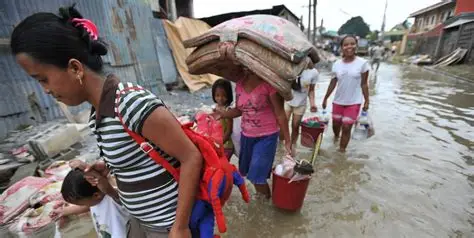
Disasters strike unpredictably and devastate communities; however, their impact is not felt equally. Women face disproportionately higher risks during and after disasters due to systemic gender inequalities, which include higher mortality rates, increased violence, caregiving burdens, and limited access to resources. Addressing women’s safety and empowerment in these scenarios is not merely an ethical imperative—it’s essential for creating resilient communities capable of weathering future challenges.
Globally, natural disasters such as hurricanes, floods, and earthquakes have a profound impact on social structures, often exacerbating pre-existing inequalities. In regions like Pakistan and the United States, these disparities manifest through heightened mortality rates, violence against women and girls (VAWG), and barriers to recovery. For instance, studies indicate that women and girls are 14 times more likely to die than men in many disaster situations, as witnessed during catastrophic events like the 2004 Indian Ocean Tsunami, where 70% of casualties were women.
In local contexts, these issues are particularly pressing. In the U.S., the Hurricane Katrina disaster revealed that 80% of those who remained in New Orleans during evacuation orders were women. This was largely due to caregiving responsibilities, highlighting how gender roles can restrict women’s mobility and access to safety.
In Pakistan, women often lack agency, exacerbating their vulnerability during disasters. Limited access to education, healthcare, and economic resources results in higher rates of mortality and exploitation during emergencies. Ensuring women’s safety and empowering them to participate in disaster preparedness and recovery is vital to building resilient communities.
Current Challenges and Opportunities for NGOs
NGOs play a pivotal role in bridging the gaps that leave women vulnerable during and after disasters. However, they face significant challenges. Gender biases in emergency response are often overlooked, leading to disaster recovery strategies that are not inclusive. Consequently, women often find themselves without adequate support, exacerbating their vulnerabilities amidst crises.
Here are some of the key challenges:
- Limited Access to Resources and Information: Women are frequently less informed about available disaster preparedness resources and tend to have restricted access to emergency aid and information.
- Heightened Violence in Crisis Situations: Disasters increase incidences of domestic and sexual violence, with women and girls often subjected to exploitation when their circumstances become precarious. Shelters and camps can become sites for abuse, further jeopardizing their safety.
- Societal Norms and Expectations: Societal roles can hinder women’s ability to prepare, respond, and recover from disasters effectively.
Despite these challenges, opportunities are available for NGOs to make significant impacts:
- Gender-Inclusive Approaches: Incorporating women into disaster management systems can result in more effective and sustainable responses. Gender-sensitive disaster response policies can ensure that the unique needs of women are recognized and addressed.
- Community Empowerment Initiatives: Programs that train women in disaster resilience and recovery can foster community-wide support structures and improve outcomes for all.
- Investment in Technology and Skills Development: Empowering women through training in technology and leadership can help them develop innovative solutions for disaster preparedness.
Practical Takeaways for NGOs, Educators, and Community Leaders
- NGOs: Prioritize gender-sensitive approaches in disaster response and recovery. Engage women in planning and executing disaster management strategies. Incorporate comprehensive training programs that focus on women’s safety in emergencies.
- Educators: Advocate for educational programs that teach both gender equality and disaster risk reduction in curricula. Equip students—especially young women—with knowledge and resources to understand their rights and preparation strategies.
- Community Leaders: Create community-based platforms for women to voice their needs and participate actively in disaster preparedness planning. Ensure financial literacy programs are available to support economic resilience, particularly for female farmers and entrepreneurs.
- Volunteers and Donors: Contribute to NGOs focused on gender-sensitive disaster responses. Volunteering your time, resources, or expertise can create a significant impact on improving women’s safety and establishing robust response mechanisms.
How TecniForge NGO Connects to This Mission
At TecniForge NGO, we understand that empowering women is integral to sustainable community development, especially in the face of disasters. Our mission involves fostering educational opportunities, advancing technology for social good, and ensuring equitable access to resources for all community members. We aim to leverage our expertise to create actionable initiatives that uplift women during crises.
Our upcoming programs will focus on:
- Capacity Building: Training women leaders in technology and crisis management to enhance community resilience.
- Innovation and Sustainability: Promoting environmentally sustainable practices that engage women and honor their roles as custodians of community resources.
- Support Networks: Developing platforms to raise awareness and connect individuals who can contribute to women’s safety and empowerment during emergencies.
Join Us in Making a Difference
The need for an inclusive approach to disaster risk management is more pressing than ever. Women have the potential not only to survive disasters but to lead the way in building resilient communities. We invite you to join us in this crucial mission.
Support TecniForge NGO by:
- Making a donation: Empower women and communities facing disaster vulnerabilities.
- Volunteering: Your time or expertise can help shape our programs.
- Partnering with us: Create long-term impacts in the communities we serve.
Together, we can empower women, enhance resilience, and build a brighter, safer future for all. For more information, please visit us at TecniForge NGO or contact us directly.
FAQ
Q: Why is women’s safety a critical issue during disasters?
A: Women often face increased risks during disasters due to existing gender inequalities and societal norms, making their safety crucial for community resilience.
Q: How can NGOs address the unique needs of women during disasters?
A: NGOs can implement gender-sensitive disaster response strategies and involve women in planning and execution.
Q: What role do community leaders play in enhancing women’s safety?
A: Community leaders can facilitate platforms for women’s participation in disaster preparedness and implement programs addressing their unique challenges.