Essential Safety Procedures for Wildfires
-
by
Saira Bashir
Staying Safe During Wildfires: Essential Procedures and Preparation Guide
Estimated reading time: 5 minutes
Key Takeaways:
- Understanding the impact of wildfires and their global consequences.
- Steps to build an effective Wildfire Action Plan.
- Essential evacuation procedures for safety during wildfires.
- Post-fire recovery: key steps for safety and prevention.
Table of Contents
- Understanding the Impact of Wildfires: A Community Perspective
- Building Your Wildfire Action Plan
- Evacuation Procedures: Quick Response is Key
- During the Wildfire: Safe Shelter
- After the Fire: Reassessing and Recovering
- Takeaway for NGOs, Educators, and Community Leaders
- Your Role in Supporting Our Mission
- FAQ
Understanding the Impact of Wildfires: A Community Perspective
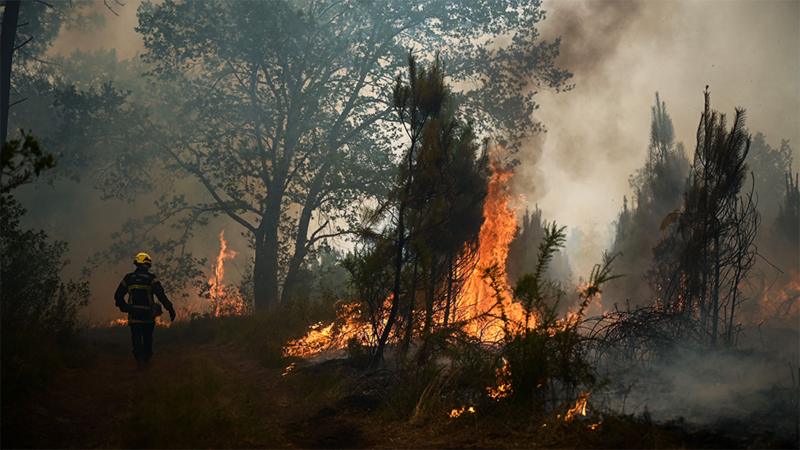
Wildfires are a natural occurrence but are becoming more frequent and intense due to climate change, deforestation, and urban encroachment into fire-prone areas. According to the National Interagency Fire Center, wildfires in the U.S. burned over 4.3 million acres in 2022 alone, a situation exacerbated by droughts and high temperatures.
Global and Local Implications
The consequences of wildfires are profound. Globally, they contribute to climate change by releasing significant amounts of greenhouse gases and particulate matter into the atmosphere, which can affect air quality and public health. In the United States, wildfires threaten not only homes but also wildlife and natural habitats, leading to long-term ecological damage.
In the context of Pakistan, wildfires are less common than in the U.S. but can still pose severe risks during dry seasons, particularly in forested areas. Both countries must elevate their preparedness protocols to safeguard communities.
Challenges and Opportunities for NGOs
For NGOs like TecniForge, which focuses on education and technology empowerment, there exists an opportunity to educate communities about the importance of wildfire preparedness. The challenges include limited public awareness and an inconsistent availability of resources for safe evacuation and recovery after wildfires.
Positioning ourselves as a trusted authority in community safety can enhance our outreach efforts and help save lives. Our goal at TecniForge is to implement programs that educate residents on effective safety measures and enhance technology access that supports alert systems and recovery processes.
Building Your Wildfire Action Plan
Preparation is the cornerstone of safety during wildfires. Communities are encouraged to develop a clearly outlined Wildfire Action Plan. This should include specific routes for evacuation, a chain of command for family or community members, and an inventory of necessary equipment. Frequent review and practice of these plans are crucial to minimize confusion during an emergency.
Essential Steps for Home Safety
- Create Defensible Space: Clear a minimum 30-foot zone around your property of all combustible materials, including debris and dense vegetation. Extend this zone to 70-100 feet when possible, and choose less flammable plants to reduce fire spread source.
- Home Hardening: Make necessary fortifications by sealing vents and removing flammable items around your property. This might include moving propane tanks and patio furniture away from the building source.
- Go Bag Essentials: Prepare a comprehensive emergency Go Bag that includes food, water, essential medications, important documents, and valuable items. Ensure vehicles are fueled and parked facing outward for a quick escape source.
- Monitor Alerts: Stay informed by following local authority updates through apps, social media, or radio. Knowledge of community plans and evacuation routes can save precious time during an emergency source.
- Pets and Livestock: Include plans for transporting animals safely. Ensure you have transportation options and veterinary care information prepared ahead of time source.
Evacuation Procedures: Quick Response is Key
When faced with an imminent wildfire threat, early evacuation can save lives. Protective clothing, including long-sleeve shirts and sturdy shoes, should always be on hand for emergencies.
Quick Tips for Evacuating
- Evacuate as soon as you are aware of a threat. Park your vehicle in a safe area, keep doors unlocked, and check on neighbors to ensure they are evacuating as well source.
- If trapped in a vehicle, park away from vegetation, cover yourself with a wool blanket, and remain calm while waiting for help source.
During the Wildfire: Safe Shelter
If evacuation isn’t an option, shelter-in-place by closing all windows and doors and huddling away from any direction of fire. Utilize wool blankets for additional protection against intense heat and smoke source.
Key Considerations
- Ensure that every family member is accounted for and has access to evacuation plans.
- Have a communications strategy for staying in touch if separated source.
After the Fire: Reassessing and Recovering
Once the threat has passed, patience is vital. Wait for the all-clear before returning to your home. Safety hazards may lurk, including hot embers and downed power lines, and a careful inspection is essential source.
Cleaning Up Safely
- Be cautious during cleanup. Wear protective gear to avoid inhaling ash or coming into contact with hazardous materials source.
- Follow safety guidelines for using generators and follow protocols for returning to affected areas responsibly source.
Takeaway for NGOs, Educators, and Community Leaders
- For NGOs: Invest in community training programs that equip residents with the knowledge and tools necessary for wildfire preparedness.
- For Educators: Incorporate environmental education into the curriculum that discusses wildfires’ causes, effects, and preventive measures.
- For Community Leaders and Volunteers: Engage with local authorities to ensure that your community’s emergency response plans are current and adequately publicized.
Your Role in Supporting Our Mission
At TecniForge, we are committed to blending education with technology for social good. Our outreach aims to empower communities with valuable knowledge and resources that enhance safety during such disasters. We encourage you to join us in this mission.
Call to Action
Support our effort to foster resilient communities prepared to face the challenges presented by wildfires. You can help us make a difference by donating, volunteering, or partnering with us in our initiatives. Discover more about our programs and how you can get involved at TecniForge NGO.
Let’s work together to build a safer future for our communities!
FAQ
Q1: What should I include in my Wildfire Action Plan?
A Wildfire Action Plan should outline evacuation routes, a communication strategy, and an inventory of essential supplies.
Q2: How do I create defensible space around my home?
Clear at least a 30-foot zone of combustible materials from around your property and use fire-resistant plants.
Q3: What should I do if I’m trapped during a wildfire?
Stay calm, park away from vegetation, cover yourself with a wool blanket, and wait for help.
Q4: How can I help my community prepare for wildfires?
Engage in educational programs, support local NGOs focused on preparedness, and stay informed on emergency plans.