Supporting Pakistan’s Recovery from the 2025 Floods
-
by
Saira Bashir
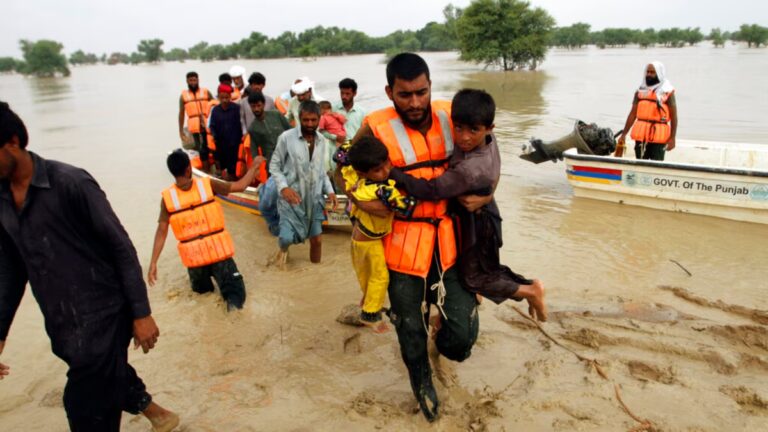
Rebuilding Lives After the 2025 Pakistan Floods: A Community-Focused Approach
Estimated Reading Time: 5 minutes
Key Takeaways:
- The 2025 floods in Pakistan caused severe loss of life and displacement.
- NGOs face significant challenges in disaster recovery, including resource allocation and health crises.
- Immediate assistance and long-term rebuilding initiatives are essential for community recovery.
- TecniForge NGO is dedicated to leveraging technology for sustainable recovery efforts.
- Community engagement and support from individuals and organizations are vital for successful recovery.
Table of Contents:
Understanding the 2025 Flood Crisis
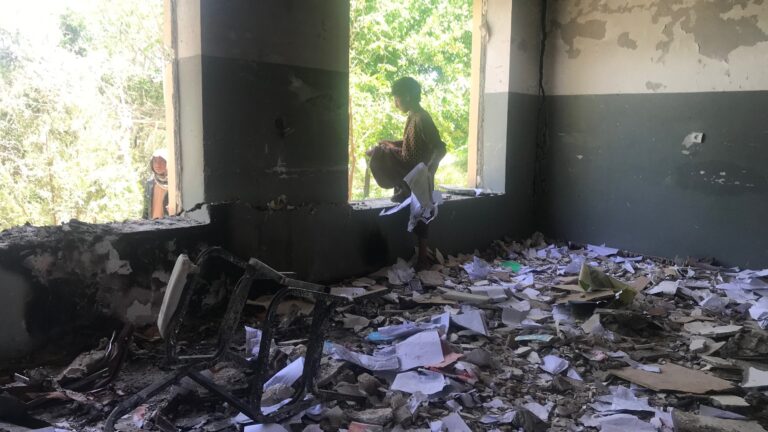
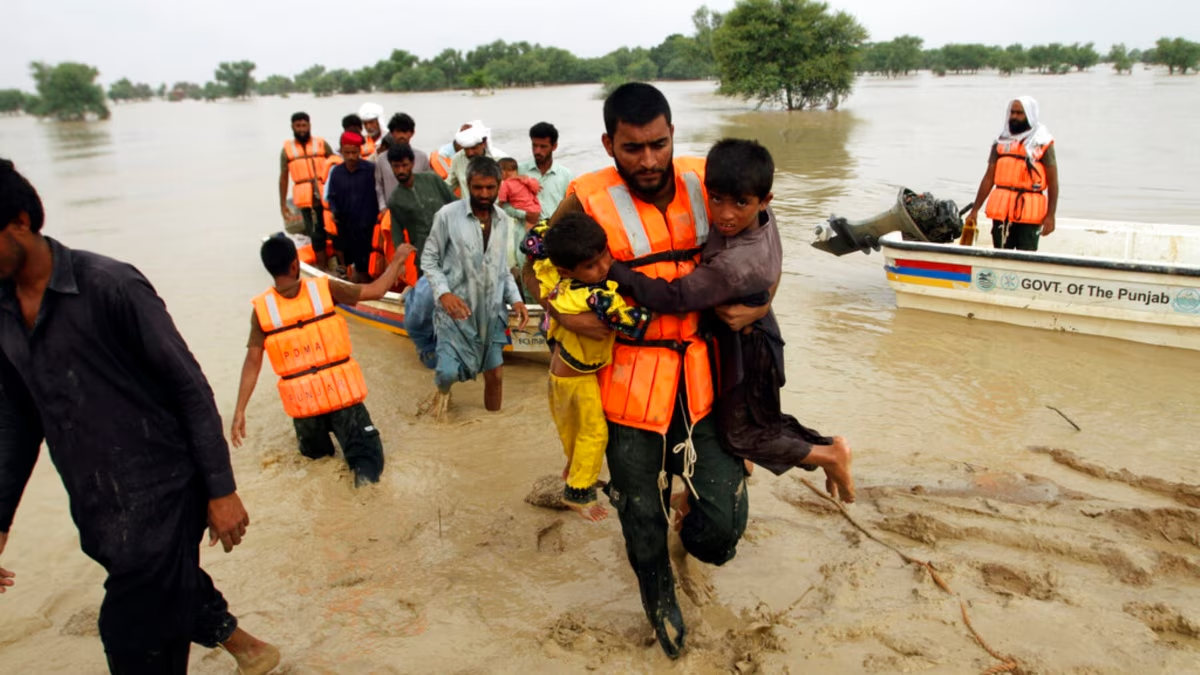
The floods, initiated by heavy pre-monsoon rains from late June and exacerbated by a relentless monsoon season, claimed over 1,000 lives and displaced millions across diverse regions including Khyber Pakhtunkhwa, Punjab, Sindh, Balochistan, and Azad Kashmir [source]. The destruction of homes, farmland, and infrastructure has left families grappling with food insecurity and economic hardships that will take years to address.
Why the Floods Matter: A Global and Local Perspective
This disaster highlights broader issues of climate change, infrastructure inadequacies, and community vulnerabilities—not only in Pakistan but globally. Climate scientists have warned about the increasing severity of weather events due to rising temperatures and changing weather patterns, a trend that will continue to challenge many nations, particularly those with limited resources for mitigation and adaptation.
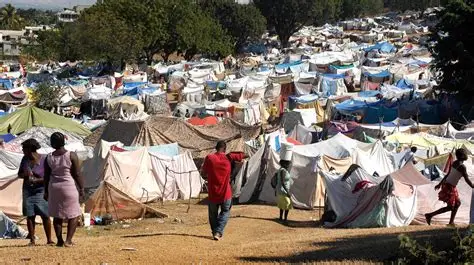
In Pakistan, the floods triggered a myriad of crises for the local population, especially affecting women and children in temporary shelters. The World Health Organization (WHO) has noted acute health risks, particularly from waterborne diseases that flourish in the aftermath of such disasters [source]. A challenging environment like this significantly impacts educational outcomes and economic stability for many, thus requiring a concerted response from governmental bodies, non-governmental organizations (NGOs), and international partners.
Current Challenges for NGOs Working in Disaster Recovery
Despite the immediate response from organizations like CARE, the World Food Programme (WFP), and Global Empowerment Mission, several major challenges remain:
- Resource Allocation: With millions affected, the sheer scale of need often overwhelms aid organizations.
- Infrastructure Repair: Hundreds of roads and bridges were destroyed, making access to remote areas difficult [source].
- Health Crises: The spread of waterborne diseases amidst poor sanitation can complicate recovery efforts [source].
Nevertheless, this catastrophe also presents opportunities for NGOs and community leaders to innovate in their approach to rebuilding efforts, focusing on long-term resilience as opposed to just immediate relief.
Practical Actions to Support Affected Communities
- Emergency Assistance: Organizations are funneling donations towards immediate needs, which include food, clean water, health kits, and temporary shelter. Donations to verified NGOs are essential for combating impending disease outbreaks [source].
- Reconstruction Initiatives: Supporting the rebuilding of homes and key infrastructure is vital. Aid can also focus on employing resilient designs that will stand up to future disasters [source].
- Agricultural Rehabilitation: Reestablishing farming practices is critical for economic recovery. Supporting farmers with seeds, fertilizers, and access to irrigation can restore agricultural output to pre-flood levels [source].
- Community Training: Engaging stakeholders in community training can enhance resilience against future disasters, equipping them with essential knowledge for disaster preparedness and response.
How TecniForge NGO is Contributing to Recovery
At TecniForge, we believe in harnessing technology for social good, capacity building, and community innovation. Our mission aligns with sustainable recovery efforts that go beyond mere emergency response. We are committed to:
- Raising Awareness: Highlighting the need for long-term support and adaptation measures to prepare communities for future climate-related challenges.
- Funding Initiatives: Leveraging partnerships with businesses and educational institutions to fund relief efforts and recovery projects.
- Building Capacity: Conducting workshops and training programs tailored for local leaders and volunteers, ensuring they have the tools necessary for ongoing community support.
The Road Ahead: A Call to Action
The 2025 Pakistan floods have underscored the vulnerabilities faced by communities in disaster-prone areas. At TecniForge NGO, we are inspired by the resilience of the affected people and remain dedicated to supporting their journey to recovery. We invite you to join us in making a profound difference:
- Donate: Your financial support can help us provide essential resources for affected families. Every contribution counts towards rebuilding lives and communities.
- Volunteer: Your time and skills can make a significant impact. Join us in our efforts on the ground or assist in awareness campaigns.
- Partner with Us: If you represent an organization or business, consider partnering with us to amplify our collective efforts in disaster recovery and community resilience.
Together, we can help those impacted by the floods in Pakistan not just recover, but thrive in the face of adversity. Visit TecniForge NGO or contact us directly to learn more about how you can get involved.
By standing united, we can ensure that these communities rise again, stronger and more resilient than ever before.
FAQ
What caused the 2025 floods in Pakistan?
The floods were initiated by heavy pre-monsoon rains from late June, exacerbated by a relentless monsoon season.
How can I help the affected communities?
You can help by donating to verified NGOs, volunteering your time, or partnering with organizations like TecniForge NGO.
What are the main challenges faced by NGOs in disaster recovery?
Main challenges include resource allocation, infrastructure repair, and health crises due to the aftermath of the floods.