Understanding NGOs’ Role in War Crises
-
by
Saira Bashir
The Paradox of Impact: How NGOs Influence War Crises
Estimated Reading Time: 6 minutes
Key Takeaways:
- Understanding NGO influence in crises is crucial for recognizing humanitarian complexities.
- NGOs provide critical aid but can unintentionally exacerbate conflicts.
- Strategies for NGOs must consider political dynamics for effective interventions.
- Stakeholders can play varied roles in enhancing NGO effectiveness in war zones.
Table of Contents
- Why Understanding NGO Impact on War Crises Matters
- The Impact of NGOs in Current Conflicts
- Current Challenges and Opportunities for NGOs
- Practical Takeaways for Stakeholders
- Connecting to TecniForge NGO’s Mission and Initiatives
- Call to Action: Support Our Mission
- FAQ
Why Understanding NGO Impact on War Crises Matters
The influence of NGOs on war crises extends far beyond immediate aid distribution. Globally and locally, the challenges and opportunities they face shape the lives of countless individuals trapped in conflict. Not only do NGOs provide critical support to those affected by violence, but their interventions also influence political dynamics, community relationships, and long-term stability.
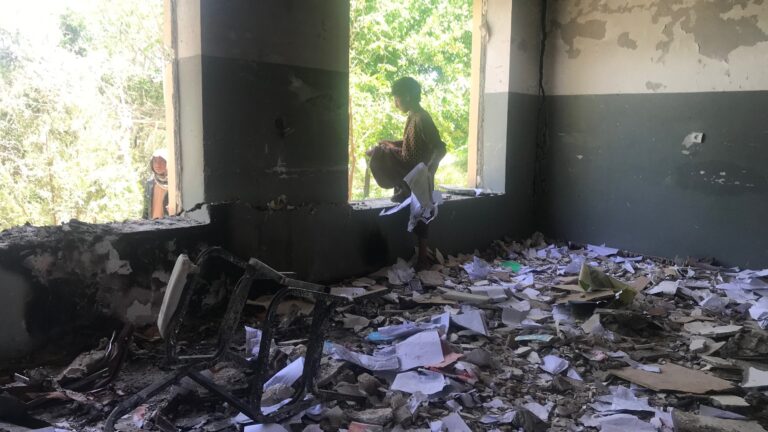
In regions like Pakistan and the United States, the nuances of NGO involvement in war crises serve as a reminder of the complicated reality of humanitarian efforts. While NGOs strive to alleviate suffering, they also wrestle with the potential for their aid to become entangled in conflict dynamics, leading to unintended consequences.
The Impact of NGOs in Current Conflicts
Life-Saving Assistance Amidst Rescue Efforts
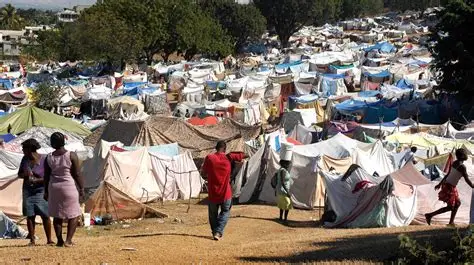
NGOs are often seen as essential infrastructures during humanitarian emergencies. For instance, in Gaza, the suspension of 37 international humanitarian organizations in early 2026 serves as a harrowing illustration of how vital these entities are for ensuring the survival of communities in crisis. These NGOs, which include Médecins Sans Frontières and World Vision, offer food, medical care, and crucial stability in environments where the state has collapsed [source]. The aftermath of this suspension is stark: populations teeter on the edge of societal breakdown, with all too real ramifications, such as the loss of life during harsh winter months.
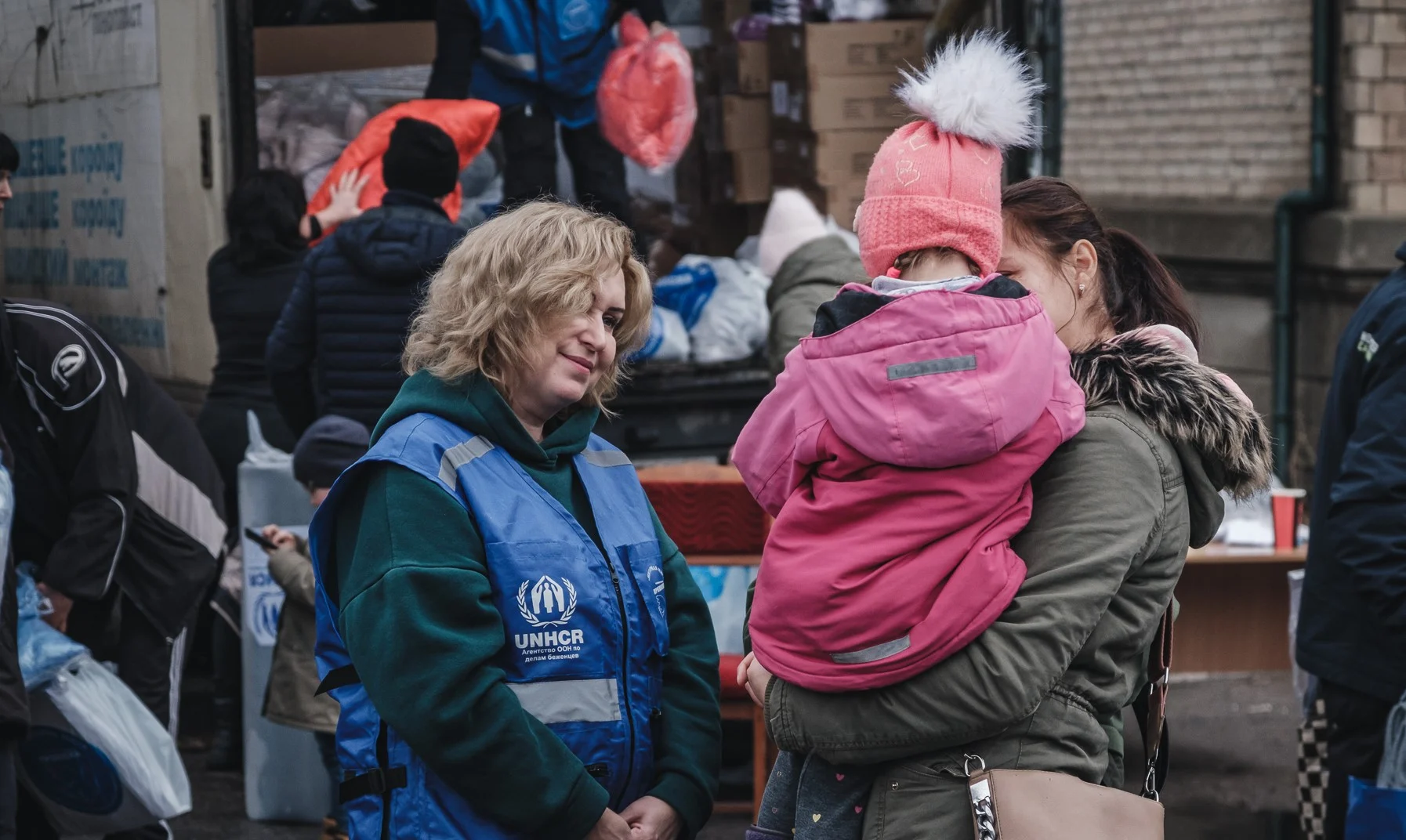
Similarly, in the Ukrainian context, humanitarian organizations have rallied to support millions affected by escalating crises. Swiss Solidarity, for instance, has provided substantial assistance by restoring critical infrastructure such as drinking water systems and medical facilities, all while extending psychological support to traumatized children [source].
Unintended Consequences of Aid
Despite their crucial roles, NGOs often face challenges that can dilute their effectiveness. Under wartime conditions, the resources and aid they provide can become weapons in the hands of warring factions:
- Warring groups “tax” NGOs for permission to deliver essential aid [source].
- Aid supplies may be poached or redirected, further fueling the conflict [source].
- Local infrastructures developed by NGOs can inadvertently facilitate military movement due to the lack of political awareness surrounding aid distribution [source].
These unintended consequences illustrate that even when NGOs have the purest intentions, the complexities of their operational environments can lead to failure and exacerbate conflict rather than soothe it.
Current Challenges and Opportunities for NGOs
NGOs face a delicate balance. While their presence offers critical support, they must actively consider the broader geopolitical implications of their work. Recommendations for improving their interventions suggest a shift from an apolitical stance to actively engaging with the conflict itself. Strategies may include:
- Supporting and protecting local opposition to war.
- Developing alternative distribution methods that circumvent traditional routes and minimize the risk of aid misdirection.
- Fostering economic cooperation among non-combatants, which may promote stability in conflict-laden areas [source].
These recommendations highlight the need for strategic interventions that not only provide immediate support but also actively contribute to long-term peace-building efforts.
Practical Takeaways for Stakeholders
For NGOs
- Embrace a proactive, engaged approach to humanitarian assistance that recognizes the political landscape of conflict zones.
- Invest in training for local communities to develop sustainable programs that prioritize peace-building and resilience.
For Educators
- Facilitate discussions and research projects that explore the dual role of NGOs in conflicts, engaging students in critical thinking about humanitarian intervention.
For Community Leaders
- Encourage local initiatives that focus on dialogue and understanding among different community factions as a pathway to reconciling differences and promoting peace.
For Volunteers and Donors
- Educate themselves about the complexities of aid in conflict zones and support NGOs that prioritize ethical and strategic intervention methods.
Connecting to TecniForge NGO’s Mission and Initiatives
At TecniForge, our mission aligns with the need to empower communities and support education from the ground up, showcasing how technology for social good can facilitate impactful interventions. We are dedicated to capacity building and sustainable innovation within communities affected by war crises, aiming to transform challenges into opportunities for growth and resilience.
As we continue to champion education, technology, and community innovation, we remain committed to informing our stakeholders about the complexities of our field and promoting responsible and effective intervention strategies.
Call to Action: Support Our Mission
The work of NGOs in war crises calls for collective action. Together, we can support life-saving institutions while advocating for strategic intervention that prioritizes peace.
Join us:
- Donate today to support our innovative programs.
- Volunteer your time and expertise to empower others.
- Partner with TecniForge NGO to amplify your impact in communities affected by conflict.
For more information about our programs and how you can get involved, please visit TecniForge NGO or contact us today. Together, we can make a meaningful difference in the lives of those impacted by war and conflict.
FAQ
Q: What role do NGOs play in war crises?
A: NGOs provide essential aid and support, but their presence can also influence conflict dynamics.
Q: How can NGOs minimize unintended impacts?
A: By engaging with local contexts and adapting their strategies to political realities.
Q: Why is it important for stakeholders to understand NGO roles?
A: It helps in recognizing the complexities of humanitarian interventions and enhances collaborative efforts for effective support.