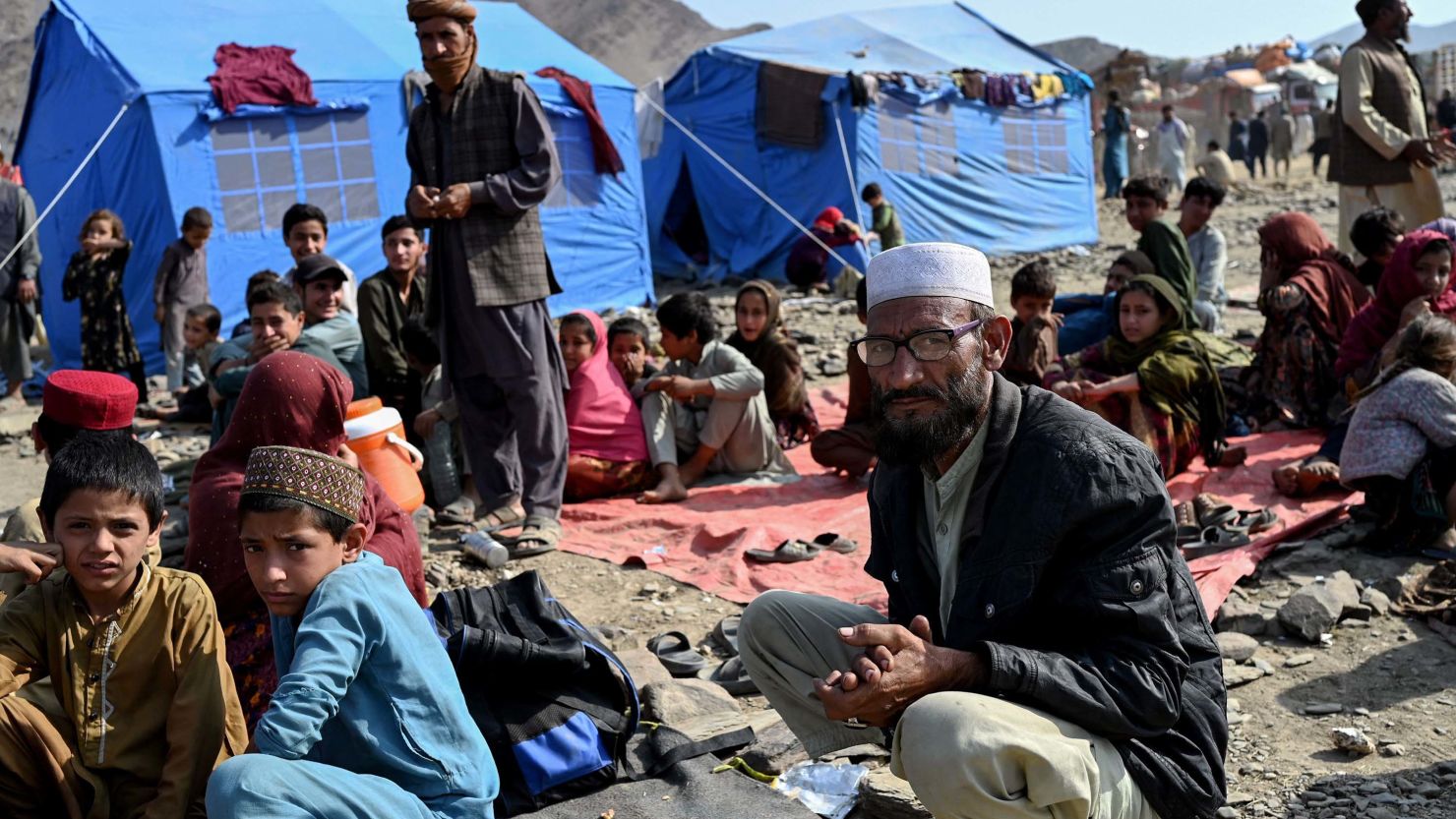
The Humanitarian Crisis of Afghan Returnees from Pakistan
-
by
Saira Bashir
Mass Deportations from Pakistan: The Crisis of 2.6+ Million Afghan Returnees
Estimated reading time: 6 minutes
- Critical violation of human rights affecting millions.
- Challenges faced by NGOs in providing support and advocacy.
- Opportunities for community resilience and integration efforts for returnees.
- Call to action for collective humanitarian effort.
Table of Contents
- Why This Issue Matters Globally and Locally
- Understanding the Scale and Intensity of the Deportations
- Current Challenges and Opportunities for NGOs
- The Humanitarian and Legal Landscape
- Practical Takeaways for Our Community
- Connection to TecniForge NGO’s Work
- Call to Action
Why This Issue Matters Globally and Locally
The forced return of Afghans to their country amid a humanitarian crisis represents a critical violation of human rights that demands immediate global attention. According to reports from Amnesty International and the UN, these deportations exacerbate the dire conditions already plaguing Afghanistan, a nation where approximately 22 million people—nearly half the population—are in urgent need of humanitarian assistance.
The situation is further complicated by the Taliban’s rule, which has led to rampant human rights abuses, particularly against women and girls. Deportees are often returned to a volatile environment where they face harassment, persecution, or worse. The situation represents not just a local challenge for Pakistan and Afghanistan but a global ethical dilemma about how nations treat vulnerable populations fleeing systemic violence and oppression.
Understanding the Scale and Intensity of the Deportations
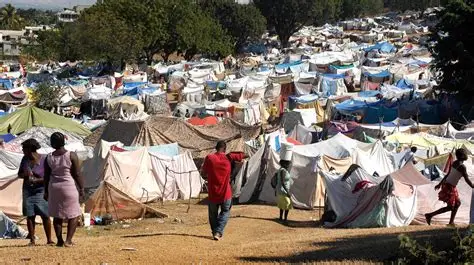
Reports indicate that both Pakistan and Iran have aggressively ramped up their deportation efforts throughout 2025, with Pakistan conducting campaigns that saw the closure of 42 long-standing refugee camps in Khyber Pakhtunkhwa. The rapid expulsion of sizable groups—sometimes exceeding 3,300 individuals in a single day—has become a distressing norm.
These policies have not only led to people being forced back into a country fraught with instability but have also created panic among individuals who could be deemed high-risk, including journalists and former government officials, who are now at the mercy of Taliban reprisals. The Personal accounts of returnees report that many experience harassment or face adverse socioeconomic conditions upon returning, rendering these deportations not merely border-crossing events but comprehensive human rights violations.
Current Challenges and Opportunities for NGOs
- Humanitarian Access: NGOs providing essential services, including healthcare and education, face increasingly significant challenges in accessing those in need. With many deportees returning in vulnerable conditions, organizations must innovate to reach these populations effectively.
- Legal and Policy Advocacy: NGOs have an opportunity to advocate for the protection of vulnerable returnees by emphasizing non-refoulement obligations—an international law principle prohibiting the return of individuals to places where they may face persecution.
- Community Resilience Building: There is a growing need for initiatives focused on building the resilience of communities affected by these deportations. NGOs can implement programs aimed at empowering returnees through education, vocational training, and psychosocial support.
- Collaboration with International Entities: Increased collaboration with international agencies like the UNHCR could create stronger pipelines for financial and emergency support for returning individuals, reducing the pressure on local communities.
The Humanitarian and Legal Landscape
The implications of such mass deportations extend into deep ethical territory, placing a spotlight on the obligations of nations and organizations to protect human rights. Many deportees include individuals who risk their lives working with international organizations or journalism—professions increasingly under assault in Taliban-controlled Afghanistan.
The need for a robust international response has never been clearer. Advocacy groups insistentially demand a halt to these expulsions, backed by principles of international law that protect individuals from being returned to harmful environments. Without significant intervention and advocacy, the situation is likely to worsen as more individuals face deportations amid deteriorating humanitarian conditions.
Practical Takeaways for Our Community
For NGOs:
- Enhance cross-border cooperation: Facilitate partnerships with other NGOs and international organizations to maximize resource sharing and support for returnees.
- Implement locally-led initiatives: Create programs that prioritize the voices of local communities, giving them agency in addressing their challenges.
For Educators:
- Incorporate refugee narratives in curricula: Raise awareness about the complexities of the refugee experience and foster empathy through education.
- Collaborate with NGOs for resources: Bring in experts from NGOs to provide educational resources or training materials for students about global humanitarian issues.
For Community Leaders:
- Host community forums: Organize discussions to address the challenges of integration faced by returnees, focusing on establishing coexistence and mutual support in displaced communities.
- Engage local businesses: Encourage businesses to consider hiring returnees and providing them with job training.
For Volunteers and Donors:
- Support capacity-building initiatives: Contribute time or funds to NGOs working directly with returnees to help rebuild lives.
- Spread awareness: Use social media platforms to raise awareness and funds regarding this humanitarian crisis.
Connection to TecniForge NGO’s Work
At TecniForge NGO, we understand that technology and education can serve as powerful tools for empowerment, especially in times of crisis. Our mission underscores the importance of innovation, capacity building, and sustainable solutions to human rights issues. We are committed to fostering community development through education and technology, ensuring that victims of crises like mass deportations have access to the support they need to rebuild their lives.
In alignment with our vision, our future initiatives will include programs that directly address the needs of returnees, focusing on educational opportunities, psychosocial support, and community rebuilding projects.
Call to Action
The humanitarian crisis resulting from the mass deportations of Afghans is profound and requires action from all of us. We urge you to stand with us in support of Afghan returnees and their families. Together, we can champion their rights, provide critical resources, and foster a humanitarian response that is both compassionate and impactful.
- Support our mission: Help us uplift communities in need by making a donation today.
- Join us as a volunteer: Your time and skills can make a tangible difference.
- Partner with us: Connect your organization with ours to amplify our collective efforts.
Visit TecniForge NGO for more information, and together let’s advocate for a world where every individual can live in dignity and safety.
FAQ
What has caused the mass deportations from Pakistan?
The mass deportations are primarily a result of tightened immigration policies and increased national security measures, especially in the context of ongoing humanitarian crises in Afghanistan.
What challenges do returnees face upon arriving in Afghanistan?
Returnees often face perilous conditions, including lack of basic needs such as shelter, food, and safety, as well as potential harassment or violence from the Taliban.
How can individuals help Afghan returnees?
Individuals can help by supporting local NGOs working on the ground, raising awareness on social media, and contributing time or resources to humanitarian efforts.