Effective Emergency Shelter Strategies for Winter and Floods
-
by
Saira Bashir
Emergency Shelter Solutions: Winter and Flood Protection
Estimated Reading Time: 5 minutes
- Importance of locally sourced materials in emergency shelters.
- Challenges faced by NGOs in providing suitable shelter.
- Innovative practices for effective disaster response.
- Community involvement in shelter design and implementation.
- Ways to support emergency shelter initiatives.
Table of Contents
- Why Emergency Shelter Solutions Matter
- Current Challenges and Opportunities for NGOs
- Practical Takeaways for Stakeholders
- How TecniForge NGO Connects with This Mission
- Call to Action
- FAQ
Why Emergency Shelter Solutions Matter
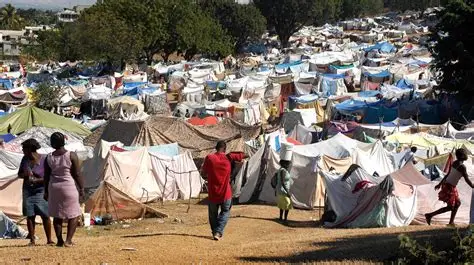
Globally and locally, the issues of winter and flood emergencies present significant challenges that impact thousands of lives. According to the United Nations High Commissioner for Refugees (UNHCR), the most effective emergency shelter solutions are constructed from locally sourced materials and designed to be deployed quickly (source: UNHCR). By prioritizing rapid response capabilities, we ensure that those affected by disasters can access the basic necessities of shelter, safety, and warmth.
In Pakistan, for example, flooding has become increasingly common, displacing families and disrupting local livelihoods. Similarly, in the US, winter months bring a different set of challenges, especially for the unhoused populace in regions that experience harsh, cold weather. The consequences of inaction can be dire—hypothermia, illness, and continued cycles of poverty.
Beyond the immediate physical needs, emergency shelter solutions also have significant social implications. They empower communities by fostering resilience, illustrating how effectively organized NGOs can play a critical role in disaster management and recovery.
Current Challenges and Opportunities for NGOs
One of the primary challenges NGOs face in providing emergency shelter solutions is the reliance on traditional materials and designs that may not effectively withstand extreme weather conditions such as heavy snow, rain, or flooding. For instance, while family tents and plastic sheeting are commonly used, they often require supportive framing and are susceptible to wind and rain damage (source: UNHCR).
Maintaining Sustainability
Sustainability must be at the forefront of our solutions. Using local materials not only reduces costs but also ensures that shelters align with cultural preferences. Shelter kits that utilize locally sourced and culturally appropriate materials promote community engagement but often require explicit training and time for assembly (source: UNHCR).
Innovations in Shelter Designs
Recent innovations have introduced versatile solutions, such as prefabricated shelters and modular units, which are portable, weather-resistant, and equipped for easier assembly. However, these come with increased costs and may not always meet community-specific needs (source: UNHCR).
Best Practices and Local Adaptations
A striking example of effective emergency shelter solutions can be found in Kansas City, which has launched an Extreme Weather Plan involving a tiered system of shelters for the unhoused population. This plan dynamically adapts to winter weather conditions, offering immediate beds based on temperature thresholds (source: Kansas City Defender). Such models serve as benchmarks for other cities and should inspire similar initiatives in various regions, especially those grappling with flooding.
Practical Takeaways for Stakeholders
For NGOs
- Emphasize Local Collaboration: Build strong partnerships with local suppliers to source materials for shelters.
- Train Volunteers: Conduct training sessions for volunteers on the assembly and maintenance of shelter kits to enhance responsiveness.
- Focus on Sustainability: Invest in environmentally sustainable materials and methods for long-lasting solutions.
For Educators
- Integrate into Curriculum: Teach students about the importance of disaster preparedness and community resilience through practical projects.
- Engage in Service Learning: Create opportunities for students to participate in local shelter-building initiatives.
For Community Leaders
- Address Cultural Needs: Involve community members in the design stage of shelter solutions to ensure that options are culturally appropriate and acceptable.
- Create Emergency Plans: Develop comprehensive disaster response plans that include local shelters, evacuation routes, and resource allocations.
For Volunteers or Donors
- Support Local Initiatives: Contribute funds or resources to local NGOs focused on winter and flood protection initiatives.
- Volunteer for Community Workshops: Engage in hands-on activities that help build or assemble shelter kits for disaster readiness.
How TecniForge NGO Connects with This Mission
At TecniForge, we believe that effective emergency shelter solutions not only meet immediately pressing needs but also foster long-term community development and resilience. Our commitment to using technology for social good encompasses the development of innovative solutions that adapt effectively to environmental conditions while empowering local communities. We provide capacity-building programs that focus on sustainable practices and train volunteers to facilitate quick and effective response during emergencies.
With our deep-seated vision for a world where access to essential services, such as shelter, isn’t determined by circumstance, we are focused on improving the lives of those who are vulnerable, searching for innovative ways to alleviate human suffering through effective, actionable strategies.
Call to Action
Support our mission to empower communities through innovative emergency shelter solutions. Donate to TecniForge NGO to help us provide essential support and resources for those in dire need. Volunteer your time to help assemble shelters or participate in community training programs. Together, we can make a difference. If you’d like to partner with us or learn more about our initiatives, please visit TecniForge or contact us for more information.
By working together, we can pave the way toward a safer, more resilient future for all.
FAQ
What are emergency shelter solutions?
Emergency shelter solutions are temporary structures that provide safety and comfort during disasters.
How can communities get involved?
Communities can get involved through volunteering, donating, and participating in training programs.
Why is sustainability important in shelter solutions?
Sustainability ensures that shelters are environmentally friendly and culturally appropriate, promoting resilience.
What innovations are being implemented in emergency shelters?
Innovations include prefabricated shelters and modular units that are portable and easier to assemble.
How do NGOs support emergency shelter initiatives?
NGOs support initiatives by providing resources, training, and collaborating with local communities.