Understanding Indonesia’s Landslides and Global Lessons
-
by
Saira Bashir
Understanding Indonesia’s Catastrophic Landslides: A Call for Global Solidarity in the Face of Adverse Weather Events
Estimated reading time: 5 minutes
Key Takeaways:
- Indonesia’s recent landslides highlight the urgent need for disaster preparedness and community resilience.
- NGOs can play a vital role in advocating for integrated disaster risk reduction strategies.
- Local leadership and engagement are crucial in addressing vulnerabilities and developing tailored solutions.
- Global collaboration and sharing best practices can enhance response strategies for natural disasters.
Table of Contents
- Why Indonesia’s Landslides Matter: A Local and Global Concern
- Local Impact on Communities: Indonesia’s Current Crisis
- Global Implications: Learning from Indonesia’s Tragedy
- Challenges and Opportunities for NGOs
- Practical Takeaways for NGOs, Educators, and Community Leaders
- TecniForge NGO’s Commitment: Towards a Resilient Future
- Join Us in Making a Difference
- FAQ
Why Indonesia’s Landslides Matter: A Local and Global Concern
Natural disasters like the catastrophic landslides in Indonesia illustrate the complex relationship between climate change and community resilience. With Indonesia experiencing a rainy season from October to April, the risk of landslides increases significantly, especially due to factors such as deforestation, urbanization, and inadequate disaster preparedness.
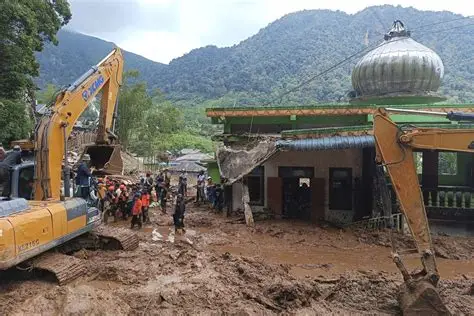
On January 25, 2026, a tragic landslide struck Pasir Langu village in West Java’s West Bandung regency around 2:30 AM, resulting in the tragic loss of at least 16 lives and leaving over 80 individuals unaccounted for (source: TRT World & source: RNZ). These events shed light on the need for urgent interventions not only within Indonesia but also in other regions facing similar challenges, such as Pakistan and the United States.
Local Impact on Communities: Indonesia’s Current Crisis
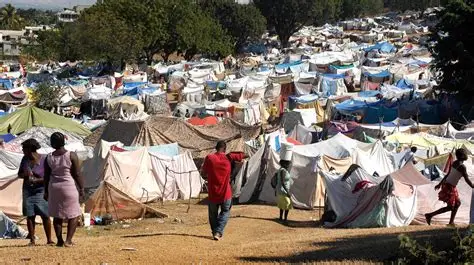
The immediate impact of the landslide in Indonesia has been devastating. Approximately 34 houses have been affected, and about 230 residents have been evacuated to temporary shelters (source: TRT World). The loss of life, homes, and community infrastructures raises critical questions about how we prepare for and respond to such disasters. It underscores the importance of community resilience—how local populations effectively manage, adapt to, and recover from disasters, rather than relying entirely on external assistance.
Moreover, during rescue operations, teams from various sectors including Basarnas (search and rescue agency) and the Indonesian military faced significant barriers due to unstable ground conditions exacerbated by continuous rain. Challenges arose from ongoing mud flows and bad weather, revealing the fragility of disaster response systems in the face of climate change (source: TRT World). This situation presents an opportunity for NGOs and community leaders to advocate for preventive measures and capacity building initiatives that bolster resilience against future natural disasters.
Global Implications: Learning from Indonesia’s Tragedy
While the immediate crisis is localized in Indonesia, its implications resonate globally. Countries like Pakistan, often impacted by floods and landslides, can learn from Indonesia’s ongoing challenges and responses. By understanding the interconnectedness of environmental changes and community resilience, we can implement globally informed strategies to prepare for catastrophic events.
For instance, the increasing frequency of adverse weather across several regions, including the United States with its own climate-related catastrophes, emphasizes the need for comprehensive disaster management plans. By sharing best practices and collaborative resources, global NGOs can enhance their outreach and support to affected populations.
Challenges and Opportunities for NGOs
Current challenges for NGOs operating in disaster-prone areas include ensuring efficient resource allocation, mobilizing volunteers, and addressing the psycho-social needs of affected populations. Yet, there are solid opportunities for innovation and enhanced efficacy in response strategies:
- Integrated Disaster Risk Reduction (DRR): NGOs can promote integrated DRR strategies that focus not only on immediate relief but also long-term resilience-building within communities.
- Empowered Local Leadership: Engaging community leaders in disaster preparedness planning allows for tailored solutions that consider local knowledge, customs, and vulnerabilities.
- Technological Innovations: The application of technology—such as drone assistance in rescue operations and early warning systems—can be leveraged by NGOs for more effective intervention strategies.
- Collaboration Across Borders: Strengthening partnerships with other NGOs and regional organizations cultivates a network of shared resources and strategies, driving greater impact even amid crises.
Practical Takeaways for NGOs, Educators, and Community Leaders
For NGOs:
- Advocate for policies that prioritize environmental sustainability and disaster readiness.
- Train local volunteers in first aid, emergency response, and psycho-social support.
- Foster partnerships with local governments to create sustainable community development programs that incorporate DRR measures.
For Educators:
- Integrate climate education into curricula to raise awareness among students about environmental issues and disaster preparedness.
- Promote community service opportunities that involve students in local disaster preparedness initiatives.
For Community Leaders:
- Build community forums that facilitate dialogue around local vulnerabilities and collective strategies for resilience.
- Organize training sessions that empower community members to respond effectively in emergencies.
For Donors and Volunteers:
- Support NGOs focused on disaster relief and preparedness through donations or volunteer time.
- Promote awareness of disaster-relief efforts in your social circles to garner additional support.
TecniForge NGO’s Commitment: Towards a Resilient Future
At TecniForge NGO, we are committed to promoting education, technology for social good, innovation, and community resilience in tackling modern challenges, including climate change and disaster preparedness. By aligning our operations with global best practices and fostering community engagement, we aim to create sustainable solutions that empower individuals and communities.
Our future initiatives will focus on capacity building, creating educational modules on disaster preparedness, and leveraging technology to enhance the resiliency of communities in disaster-prone areas.
Join Us in Making a Difference
The scale of devastation caused by events like the Indonesia landslides is a reminder of the urgent need for collaborative action across borders. As individuals, organizations, and communities, we can amplify our collective impact through awareness, education, and direct support.
Support our mission, donate to our ongoing initiatives, volunteer your time, or partner with us at TecniForge NGO. Together, we can build a more resilient and empowered global community. Visit TecniForge NGO or contact us for more information on how to get involved in our efforts to promote education, capacity building, and disaster preparedness.
Let’s stand together for a sustainable future!
FAQ
Q: How can I support TecniForge NGO’s initiatives?
A: You can support us by donating, volunteering, or partnering with us on various projects.
Q: What kind of training do you provide for local volunteers?
A: We provide training in emergency response, first aid, and psycho-social support.
Q: How are you addressing the needs of affected communities?
A: We focus on community resilience and disaster preparedness through education and capacity building initiatives.