The Humanitarian Crisis in the Democratic Republic of Congo
-
by
Saira Bashir
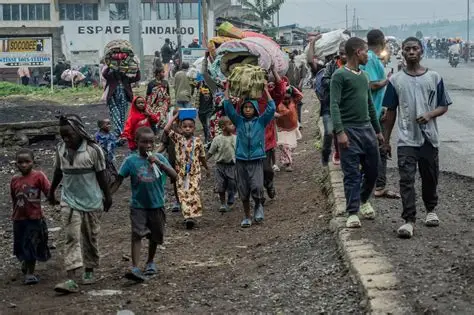
Understanding the Democratic Republic of Congo Crisis: The Harrowing Reality of 7.88 Million Displaced
Estimated Reading Time: 8 minutes
Key Takeaways:
- 7.88 million individuals displaced due to armed conflicts in the DRC.
- Severe human rights violations including gender-based violence and child exploitation.
- Food insecurity affecting approximately 26.6 million people.
- Community engagement in the U.S. is crucial for global advocacy.
- NGOs face challenges in funding and access but have opportunities for innovation.
Table of Contents
- The Crisis: Why It Matters
- Community Impact: DRC and the United States
- Challenges and Opportunities for NGOs
- Connecting TecniForge NGO’s Mission and Future Initiatives
- Actionable Insights and Takeaways
- Call to Action
- FAQ
The Crisis: Why It Matters
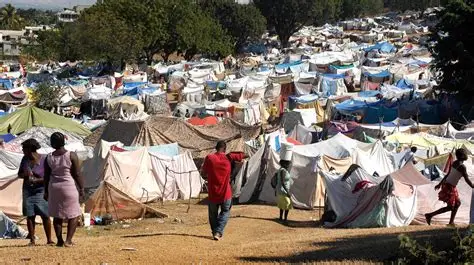
The displacement crisis in the DRC is not only a local issue; it has far-reaching global implications. Millions of individuals find themselves fleeing violence, seeking refuge in overcrowded camps, or struggling to survive in uncertain environments. This humanitarian tragedy underscores the increasing challenges countries face due to governance failures and the impact of armed conflicts on civilian populations.
Both globally and locally, the DRC’s crisis matters because:
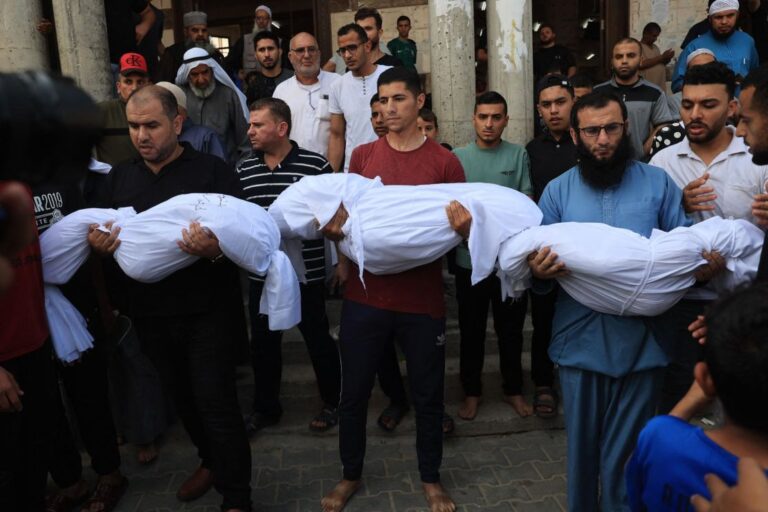
- Human Rights Violations: Armed conflicts lead to severe human rights issues, including gender-based violence, child exploitation, and widespread malnutrition.
- Refugee Spillover: Neighboring countries, such as Burundi, face their own challenges due to the influx of Congolese refugees, with over 101,000 individuals fleeing to Burundi in 2025.
- Food Insecurity: An estimated 26.6 million people face acute food shortages, with children being the most affected.
- International Response Challenges: NGOs and international organizations are overwhelmed by the scale of the crisis, with 25.4 million people in need of assistance.
Community Impact: DRC and the United States
The impact of this crisis extends beyond the DRC. Understanding its implications requires examining how these issues resonate with communities in the United States.
In the Democratic Republic of Congo
The DRC’s humanitarian crisis reflects a web of interconnected issues:
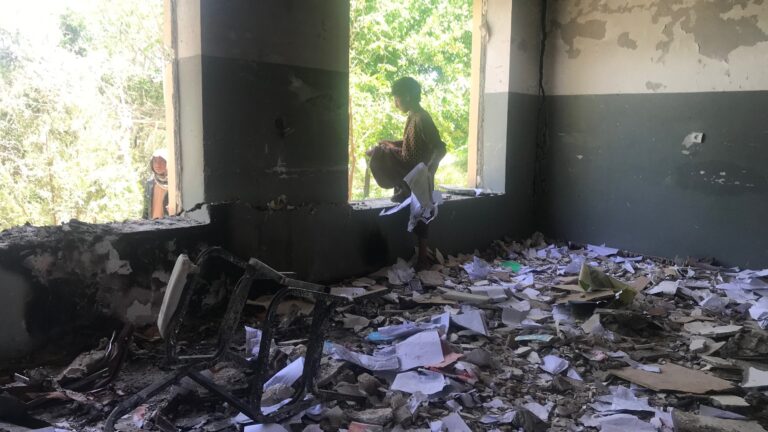
- Conflict and Displacement: The ongoing violence, primarily led by over 120 armed groups, has resulted in the highest recorded number of internally displaced persons (IDPs) in the country’s history.
- Social Fragmentation: Communities are torn apart due to violence, and social cohesion is severely undermined.
- Health and Nutrition Challenges: The lack of basic health services has increased the spread of diseases in overcrowded camps.
In the United States
For Americans, the humanitarian crisis in the DRC may seem distant, but it resonates on various levels:
- Global Citizenship: A shared global responsibility calls for individuals and communities in the U.S. to engage with international humanitarian initiatives.
- Informed Advocacy: Understanding global crises can mobilize U.S. citizens to become informed advocates.
Challenges and Opportunities for NGOs
As the crisis deepens, NGOs find themselves at the forefront while grappling with substantial challenges, including:
Current Challenges
- Funding Gaps: Many humanitarian organizations are experiencing decreased funding.
- Access to Affected Communities: Ongoing violence makes it challenging for NGOs to reach those in need.
- Sustainable Solutions: There is a growing need for innovative approaches to focus on long-term sustainability.
Emerging Opportunities
- Technology for Good: NGOs can enhance coordination through digital tools and streamline operations.
- Partnerships and Collaboration: Collaborative efforts could result in holistic community solutions.
- Education and Capacity Building: Implementing educational programs can foster economic empowerment.
Connecting TecniForge NGO’s Mission and Future Initiatives
At TecniForge NGO, our mission centers around education, technology for social good, and sustainable community development.
Our Approach:
- Education: We believe education is a fundamental right.
- Technology: We strive to provide access to technology resources.
- Capacity Building: We focus on strengthening local organizations.
- Innovation and Sustainability: Our commitment to innovative solutions addresses challenges.
Actionable Insights and Takeaways
For NGOs:
- Collaborate and enhance outreach to stabilize local communities.
- Embrace technology and innovative practices.
For Educators:
- Advocate for global citizenship among students.
For Community Leaders:
- Foster dialogue that encourages local responses to global challenges.
For Donors and Volunteers:
- Support NGOs like TecniForge by donating and volunteering.
Call to Action
The ongoing humanitarian crisis in the Democratic Republic of Congo is a stark reminder of our shared responsibility.
Together, we can make a difference.
- Support our mission by making a donation today.
- Volunteer your time and skills to help communities in need.
- Partner with us to enhance our efforts in providing sustainable solutions.
For more information, visit TecniForge NGO or contact us directly. Together, let us drive change and aid those in need.
FAQ
What is the Democratic Republic of Congo crisis?
The Democratic Republic of Congo crisis refers to the ongoing humanitarian disaster resulting from armed conflicts, which has led to the displacement of millions and a severe lack of resources.
How many people are displaced in the DRC?
Currently, approximately 7.88 million individuals are displaced within the DRC.
What are the main causes of the crisis?
The main causes include ongoing armed conflicts among various militant groups, governance failures, and resource scarcity.
How can I help the DRC crisis?
You can help by supporting NGOs, advocating for policies that address the crisis, volunteering your time, or donating resources to organizations working in the area.