The Impact of Taliban’s Gender Apartheid on Afghan Women
-
by
Saira Bashir
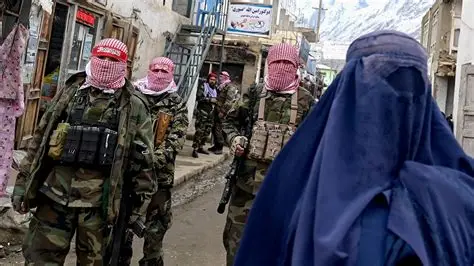
Taliban’s Gender Apartheid: The Erasure of Afghan Women
Estimated Reading Time: 6 minutes
Key Takeaways:
- Women in Afghanistan face systematic oppression under Taliban rule.
- Gender apartheid impacts global social dynamics and economic growth.
- NGOs face unique challenges but have opportunities for advocacy and change.
- Solidarity movements across borders are crucial for women’s empowerment.
- TecniForge is dedicated to combating gender-based oppression through education and advocacy.
Table of Contents
- Understanding the Global Impact of Gender Apartheid
- Why This Issue Matters
- The Role of NGOs in Addressing These Challenges
- Impact on Communities
- Actionable Insights for Stakeholders
- Connecting with TecniForge NGO
- Call to Action
- References
- FAQ
Understanding the Global Impact of Gender Apartheid
The term “gender apartheid” describes a systemic segregation based on gender that severely restricts the rights and freedoms of women. Since the Taliban reclaimed power in Afghanistan, a staggering array of edicts—over 50 between September 2021 and May 2023—have been issued, leading to unprecedented levels of institutionalized discrimination and control. This troubling environment has been defined by bans on education, work, movement, and self-expression, effectively erasing women and girls from public life. The United Nations, along with various human rights organizations, has repeatedly highlighted these abuses, calling them a crime against humanity.
Why This Issue Matters
Understanding the implications of gender-based oppression is critical, especially as it affects broader social dynamics. Globally, gender apartheid diminishes societal prospects by not only curtailing individual freedoms but also hindering national economic growth and social development. Locally, in Afghanistan, the Taliban’s oppressive policies lead to dire public health issues, declining educational outcomes, and increased poverty, with women bearing the brunt of these effects.
In Pakistan, while women’s rights have faced their own challenges, solidarity movements and education initiatives are increasingly prevalent. The situation underscores the necessity for collaborative action across borders, seeking to protect and empower women.
The Role of NGOs in Addressing These Challenges
Current Challenges for NGOs
The Taliban’s regime presents unique hurdles for NGOs aiming to operate in Afghanistan. Due to government restrictions and the inherent dangers posed to women’s rights activists and educators, many organizations struggle to provide essential services. Additionally, the international legal landscape remains murky, complicating accountability measures against the Taliban. Despite these obstacles, the international community, including NGOs, continues to advocate for Afghan women’s rights while pushing for recognition of gender apartheid as an international crime.
Opportunities for Policy Change and Action
Recent developments have provided a window for advocacy. The People’s Tribunal for Women of Afghanistan declared the Taliban’s actions as constitutive of an apartheid-like regime, urging international legal frameworks to recognize gender apartheid more explicitly. These advancements present opportunities for NGOs to engage in significant dialogues with international law bodies and push for frameworks that hold the Taliban accountable.
Impact on Communities
Within Afghanistan
Women and girls in Afghanistan face systematic exclusion from public life. The Taliban’s policies effectively exclude them from secondary and higher education, a stark contrast to historical educational rights that had been slowly gained. The Vice and Virtue Law, which imposes draconian regulations extending to women’s private lives, further deepens the chasm of gender-based violence and discrimination.
In the United States and Beyond
In the U.S., NGOs face the challenge of raising awareness about the Afghan crisis while also emphasizing the importance of local engagement. Emphasizing the connections between local and global women’s rights movements can empower communities and lead to concrete support via donations and volunteer efforts.
Actionable Insights for Stakeholders
For NGOs
- Collaborate: Form partnerships with local and international organizations prioritizing women’s rights.
- Educate: Raise global awareness around gender apartheid and advocate for policy changes.
- Advocate for Legal Recognition: Support efforts aimed at codifying gender apartheid as a distinct crime against humanity.
For Educators
- Integrate the Topic: Discuss gender issues in educational material to raise awareness among students.
- Foster Empathy and Action: Encourage students to engage in advocacy efforts or fundraising for women’s rights organizations.
For Community Leaders
- Create Safe Spaces: Establish forums or platforms for affected women to share their experiences and advocate for their rights.
- Mobilize Resources: Actively seek donations, volunteers, and partnerships to support local initiatives focused on women’s empowerment.
For Volunteers and Donors
- Engage: Participate in or contribute to NGOs addressing gender-based oppression.
- Stay Informed: Share information and educate peers about gender apartheid and its impacts.
Connecting with TecniForge NGO
At TecniForge, we are committed to the mission of education, social empowerment, and technological innovation that promotes community development and sustainability. We believe in empowering women globally and locally and are dedicated to addressing these pressing issues through our programs.
Future initiatives aim to amplify the voices of Afghan women, distribute educational resources, and foster international collaborations to solidify the fight against systemic gender-based oppression.
Call to Action
The plight of Afghan women must not be ignored. Join us in standing against gender apartheid by:
- Supporting our mission to empower women through your donations.
- Volunteering your time and skills to help organizations working directly with affected communities.
- Partnering with us in impactful initiatives aimed at advocating for women’s rights.
Together, we can make a difference. For more information about how to get involved, please visit TecniForge NGO or contact us directly.
References
- Gender Apartheid Brief – Malala Fund
- International Accountability for the Taliban – ISHR
- Holding the Taliban Accountable – Cambridge University Press
FAQ
What is gender apartheid? Gender apartheid refers to a systematic segregation based on gender that severely restricts the rights and freedoms of women.
How has the Taliban impacted women’s rights in Afghanistan? Since the Taliban regained power, women have faced extensive bans on education, work, and movement, effectively erasing their presence from public life.
What can NGOs do to help? NGOs can collaborate, educate, and advocate for legal recognition of gender apartheid while providing essential services to women affected by Taliban policies.
How can I support Afghan women? Support can be provided through donations, volunteering, or raising awareness about the situation faced by Afghan women.