Navigating South Sudan’s Humanitarian Challenges
-
by
Saira Bashir
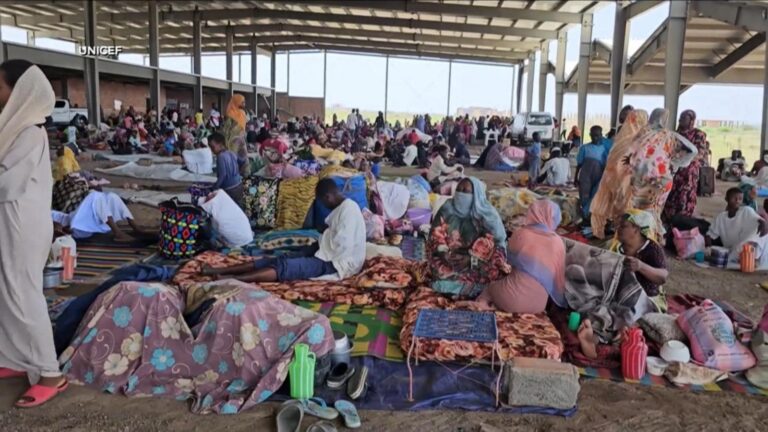
South Sudan’s Compounding Crises: Starvation, Floods, and War Spillover
Estimated reading time: 5 minutes
Key Takeaways:
- Understanding the ongoing humanitarian crises in South Sudan
- The role of NGOs in addressing these issues
- Opportunities arising from these challenges
- How TecniForge is making a difference
Table of Contents
- The Importance of Addressing Compounding Crises in South Sudan
- Why the Crises Matter
- Local and Global Implications
- Current Challenges and Opportunities for NGOs
- Practical Takeaways
- How TecniForge Engages with these Crises
- Join Us in Making a Difference
- FAQ
The Importance of Addressing Compounding Crises in South Sudan
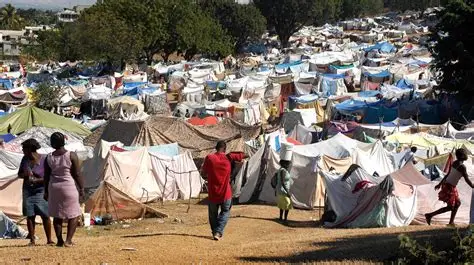
The multifaceted crises unfolding in South Sudan demand urgent attention. The UN’s 2026 Humanitarian Needs and Response Plan (HNRP) projects that more than 10 million people—approximately two-thirds of the population—are in need of humanitarian assistance. The projected funding requirement of over USD 1 billion showcases the scale of this urgent need, particularly for those facing the highest risks related to starvation, health care, and access to safe drinking water.
Why the Crises Matter
Globally: The compounding crises in South Sudan represent a broader challenge for international efforts toward sustainable development. The rising numbers of displaced persons, malnourished children, and communities struggling to survive exacerbate the global conversation about food security, health crises, and conflict prevention.
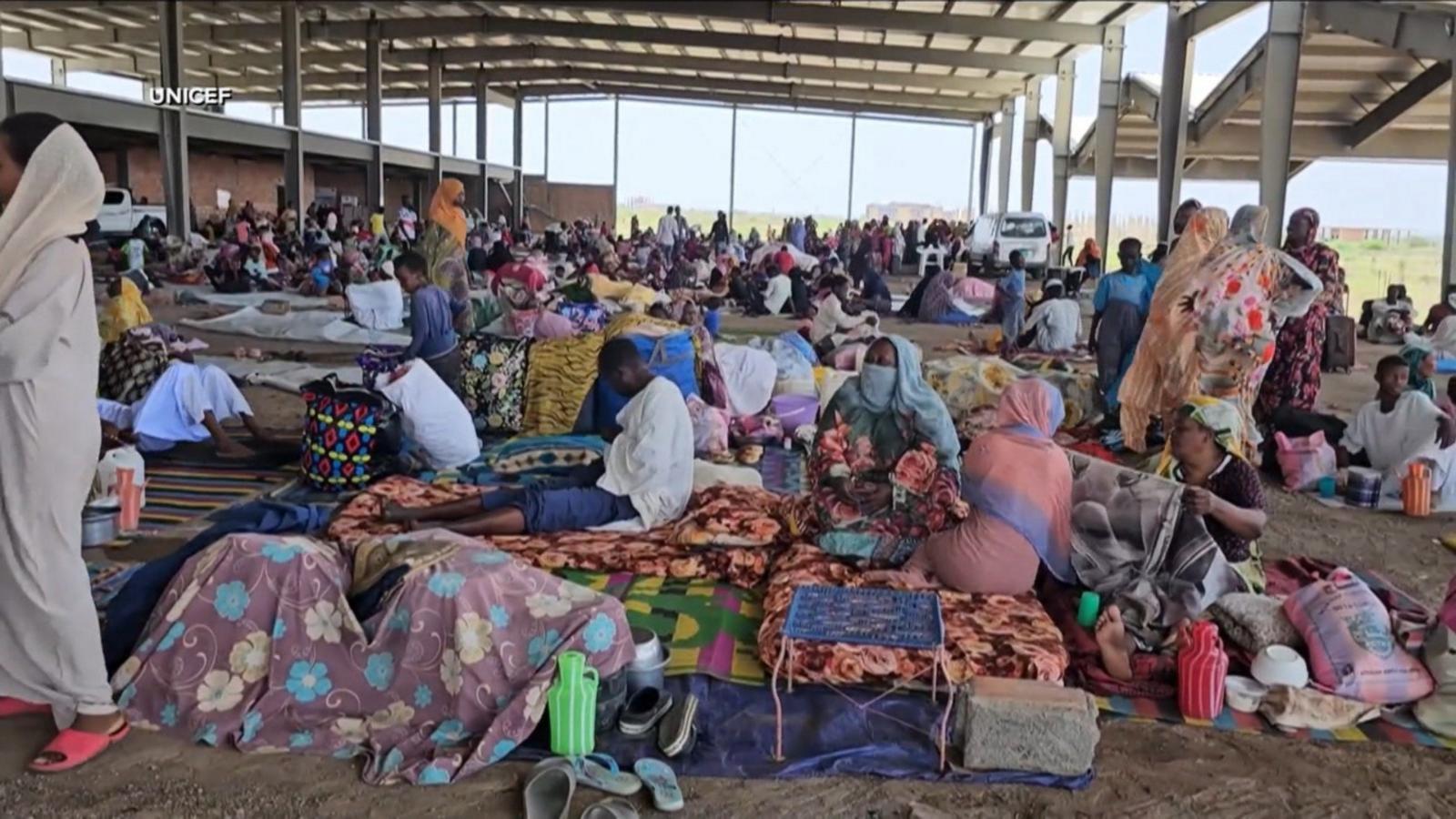
Locally: For communities in South Sudan, the impact is devastating. The ongoing conflict has led to over 300,000 people being displaced since early 2025, and 7.5 million individuals are facing acute hunger. The toll on the population, particularly on women, children, and other vulnerable groups, raises critical questions about social justice, human rights, and the obligation of global solidarity to respond effectively.
Local and Global Implications
In communities across South Sudan, food insecurity is compounded by climate shocks, making daily survival a monumental struggle. Annual floods, droughts, and unpredictable climatic conditions cripple local economies and diminish access to vital resources. For instance, communities in Jonglei and Upper Nile face not only starvation but also violent conflict, exacerbated by spillover from Sudan’s ongoing turmoil. Humanitarian operations are challenged by violence against aid workers, highlighting significant access issues and the urgent need for coordinated responses.
Current Challenges and Opportunities for NGOs
Key Crisis Drivers
The situation in South Sudan is fraught with complexity, governed by various interconnected issues:
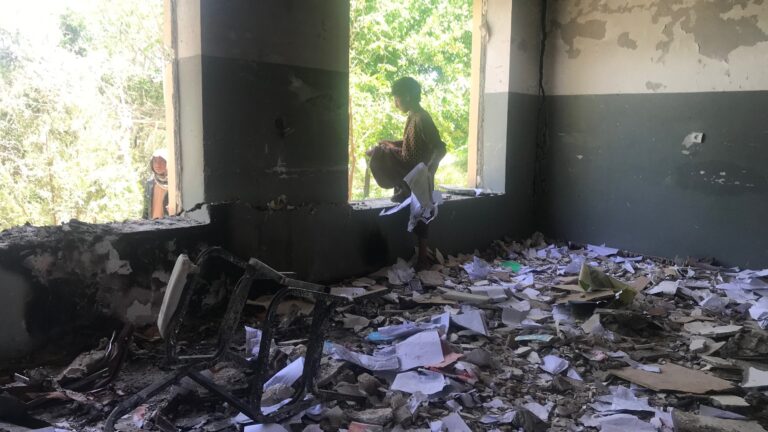
- Conflict and Violence Spillover: Renewed fighting in areas such as Jonglei, Upper Nile, Eastern Equatoria, and Central Equatoria has led to violent outcomes with over 2,000 reported deaths. The influx of people fleeing violence in Sudan adds additional strain on an already burdened system.
- Starvation and Food Insecurity: According to the latest reports, more than 28,000 people are in catastrophic conditions of hunger. Humanitarian agencies warn that malnutrition rates are approaching levels not seen since 2018.
- Floods and Climate Shocks: Natural disasters significantly restrict aid access and worsen living conditions. Climate instability enhances local crises, contributing to an ongoing cycle of poverty and vulnerability.
- Disease Outbreaks and Health Collapse: A recent cholera outbreak, despite stabilization efforts, left 96,000 people affected, with health facilities underfunded and under-staffed due to funding cuts and poor prioritization from donors.
- Economic and Access Issues: The intersection of corruption and inadequate resource allocation widens existing gaps. Nonprofits face significant hurdles when attempting to serve communities effectively.
Opportunities for NGOs
Despite these overwhelming challenges, there are glimmers of hope:
- Innovative Funding Strategies: NGOs like Médecins Sans Frontières (MSF) and Women Agency for Resilience Transformation highlight the need for flexible and multi-year funding arrangements, promoting long-term solutions over short-term fixes. The call for sustained investments in health and community resources can potentially yield transformative change.
- Collaboration and Knowledge Sharing: Building partnerships not only strengthens responses but also fosters shared knowledge among NGOs and community leaders. Initiatives that promote local capacity building can lead to enhanced sustainability and community resilience.
- Digital Transformation and Technological Empowerment: Digital tools can enhance data gathering, communication, and resource distribution. Nonprofits implementing technology for social good can improve their outreach and effectiveness in responding to community needs.
Practical Takeaways
This compounding crises scenario calls for concerted efforts from various stakeholders:
- For NGOs: Emphasize collaboration, innovate funding strategies, and invest in local capacity building.
- For Educators: Integrate lessons on global humanitarian issues and empower students to think critically about local and international responses to crises.
- For Community Leaders: Foster communication and dialogue among stakeholders to develop tailored solutions specific to community needs.
- For Volunteers or Donors: Engage in awareness campaigns to educate the public about South Sudan’s situation and support organizations actively involved in relief efforts.
How TecniForge Engages with these Crises
At TecniForge NGO, we embody a commitment to impact through education and technology. We understand that effective responses to crises like those in South Sudan necessitate not only immediate relief but also education and empowerment. Our programs are designed to teach communities about critical issues, instilling resilience and adaptability in the face of future challenges. As we explore the intersections of social development and technology, we strive to elevate voices and enhance the capacity of communities to develop lasting solutions.
Join Us in Making a Difference
As the humanitarian crises in South Sudan escalate, the need for sustained action becomes ever more urgent. We invite you to join TecniForge in its mission to empower communities through education, innovative technology, and capacity building.
Support our mission by donating, volunteering, or partnering with us. Together, we can help turn the tide on crises and foster community innovation and resilience. Please visit us at https://tecniforge.org or contact us for more information.
Your support matters. Together, we can build a future where no one has to suffer from starvation, violence, or neglect.
FAQ
What are the primary crises affecting South Sudan?
The primary crises affecting South Sudan include starvation, conflict-driven displacement, severe flooding, and outbreaks of disease.
How can I help?
You can help by donating to organizations like TecniForge, volunteering your time, or spreading awareness about the situation in South Sudan.
What is TecniForge’s mission?
TecniForge’s mission focuses on empowering communities through education and technology to build resilience and find sustainable solutions to humanitarian challenges.
Are there opportunities for collaboration with TecniForge?
Yes, TecniForge often seeks partnerships with NGOs, educational institutions, and community leaders to enhance its impact.
How can I stay informed about the situation in South Sudan?
You can stay informed by following news outlets, subscribing to updates from humanitarian organizations, and engaging in educational resources related to the crisis.